Erta Ale is not a casual sight. It is a genuine expedition into the Danakil Depression — one of the lowest, hottest and most geologically active places on the planet — and it rewards people who arrive prepared. This guide covers what the volcano is, what you will actually see, how to stay safe, what it costs and what to pack.
What is Erta Ale?
Erta Ale is a basaltic shield volcano, about 613 m high, in the Afar Region of north-eastern Ethiopia. Its name means “smoking mountain” in the Afar language. It is the best-known volcano of the Erta Ale range, which runs along the floor of the Danakil Depression, where the African and Arabian plates are pulling apart.
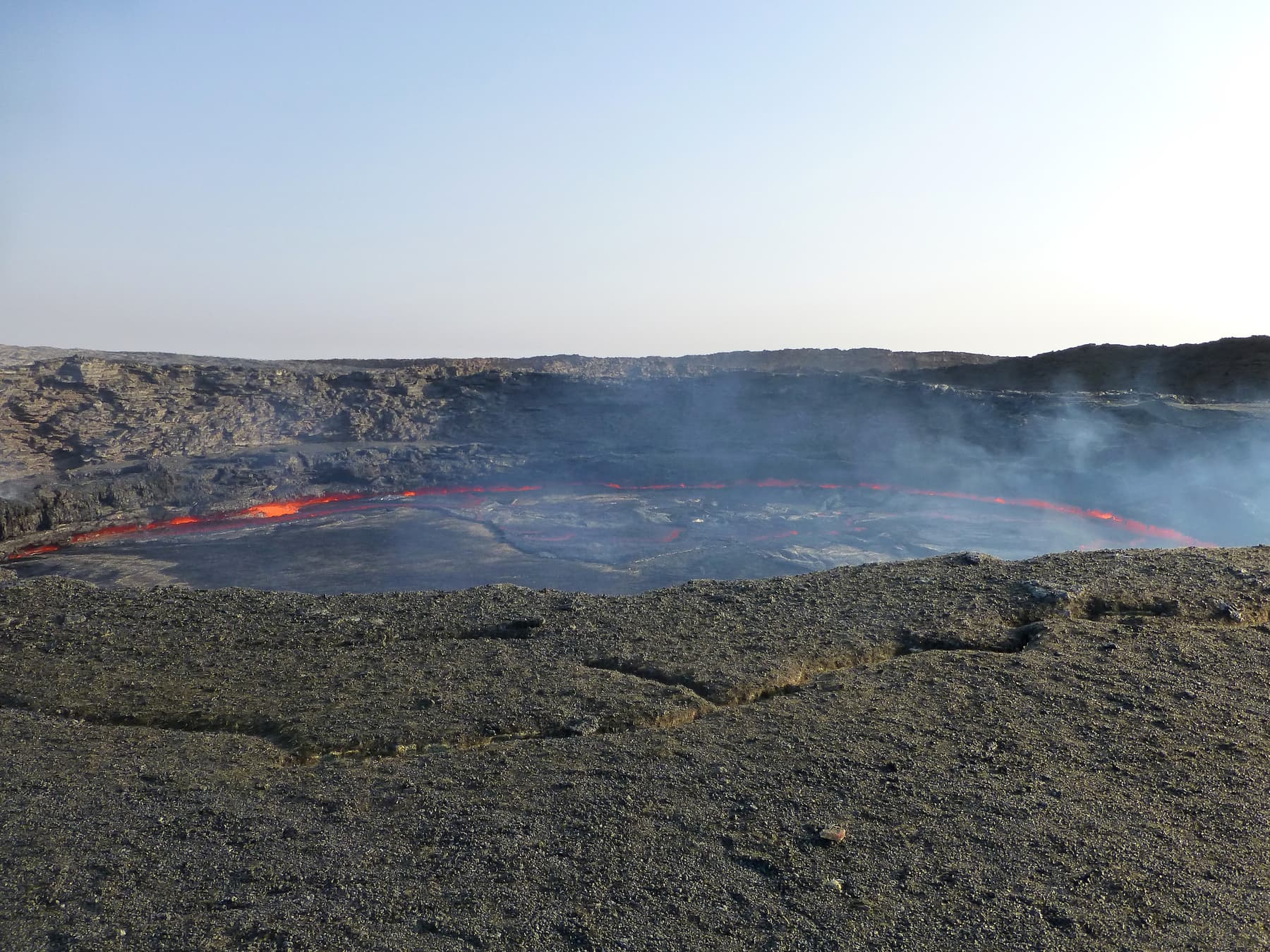
Its elliptical summit caldera contains two pit craters. The southern one has held a lava lake for much of the time since scientists first documented it in the 1960s, making Erta Ale one of the longest-lived lava lakes known — one of only a handful in the world.
The lava lake today: set your expectations
The lake is not a permanent fixture. It has risen and overflowed onto the caldera floor, drained when a fissure opened on the volcano’s flank in January 2017, and changed repeatedly since. Visitors in different seasons have reported everything from an open, churning lake to a deep pit with a glowing vent, or mostly gas and steam. The wider Afar region is also volcanically restless: in November 2025 the neighbouring Hayli Gubbi volcano, a short distance to the south-east, erupted for the first time in its known history.
None of this makes the trip less remarkable — standing on the rim of an active caldera at night is extraordinary whatever it is doing — but it means you should ask your operator what recent groups have seen, check current conditions shortly before you travel, and follow your guides’ instructions if they decide an area is unsafe.
The main sights on an Erta Ale trip
| Sight | What it is | Time needed |
|---|---|---|
| Erta Ale caldera | Active volcano with pit craters and lava flows | One night on the rim |
| Dallol | Colourful acid hot springs on a salt dome | 2–3 hours at dawn |
| Lake Asale salt flats | Salt mining and camel caravans | Half a day incl. sunset |
| Lake Afrera | Hypersaline lake, salt pans, hot springs | 1–2 hours |
| Hamed Ela | Afar village and overnight camp | One night |
 Erta Ale volcano
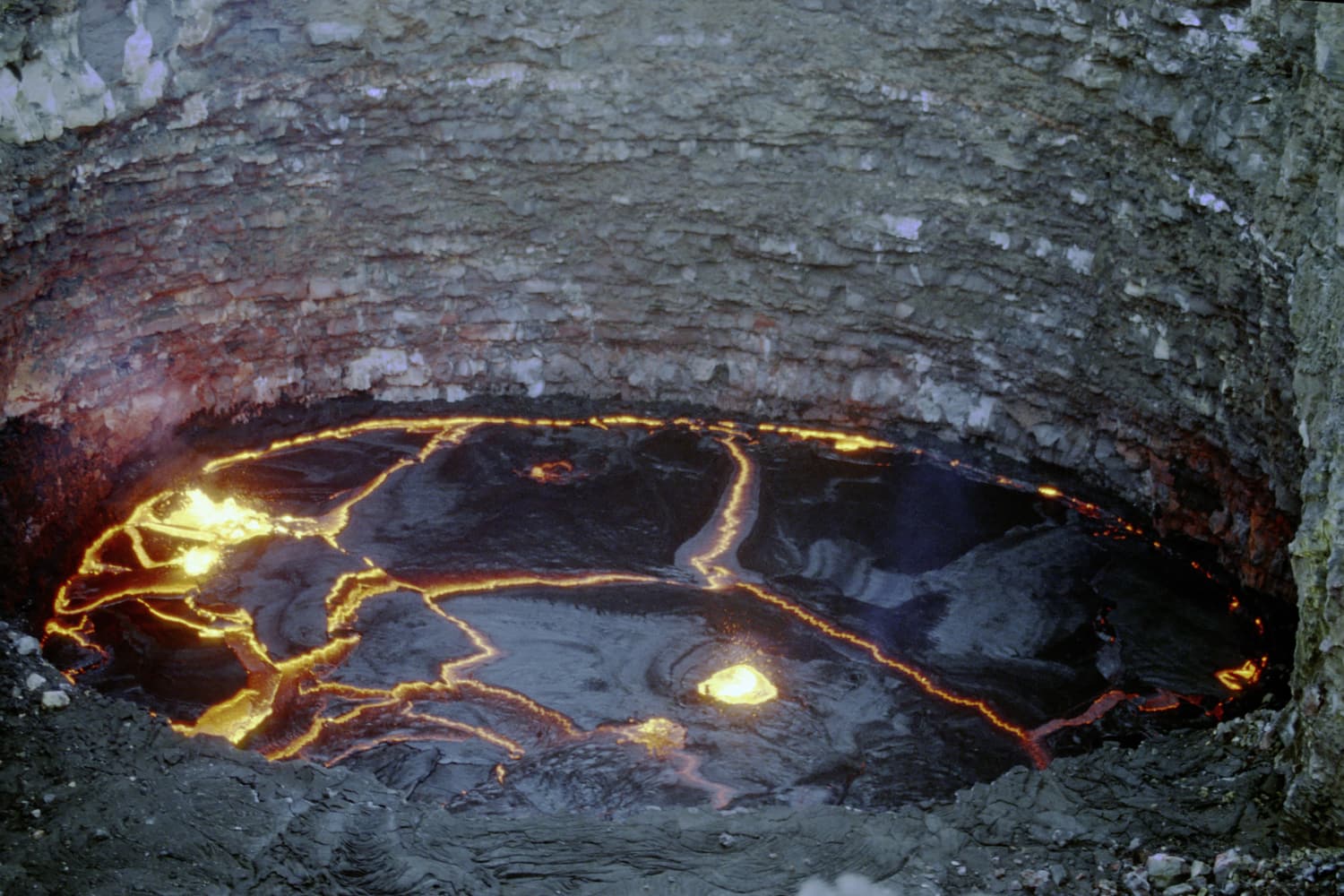
Erta Ale Caldera & Lava Lake
The “smoking mountain” of the Afar
A low basalt shield volcano rising out of the Danakil plain, whose summit caldera has held one of the world’s very few long-lived lava lakes. Its activity rises, overflows and drains over the years — but a night on the rim remains one of the great experiences in Africa.
 Erta Ale volcano
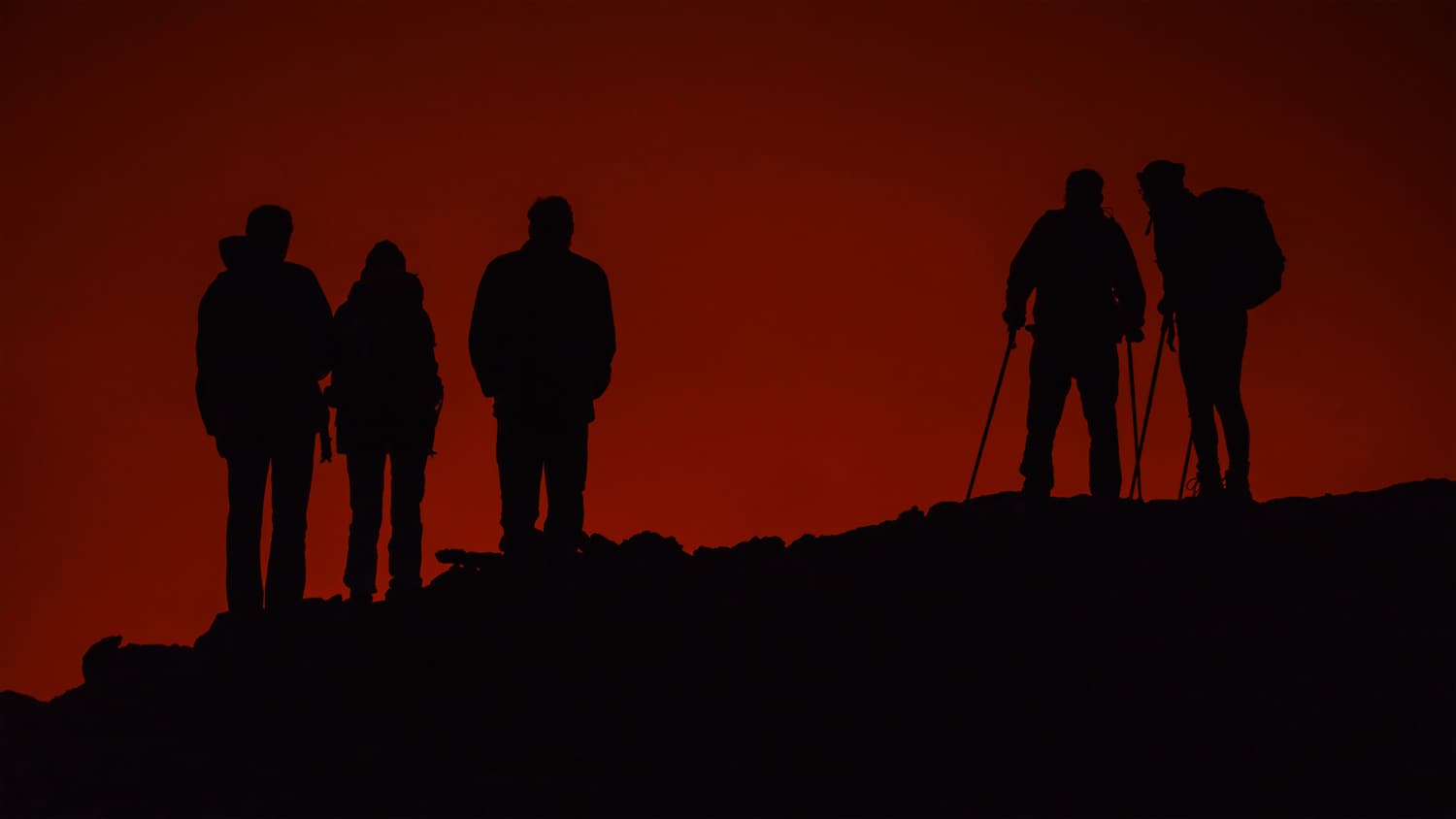
The Night Trek to the Crater Rim
Three hours by head torch across the lava
Every Erta Ale visit ends with the same walk: roughly 10 km and three hours across old lava flows from the base camp to the caldera rim, starting after dark when the air has cooled. Camels carry the mattresses; you carry water and a torch.
 Erta Ale volcano
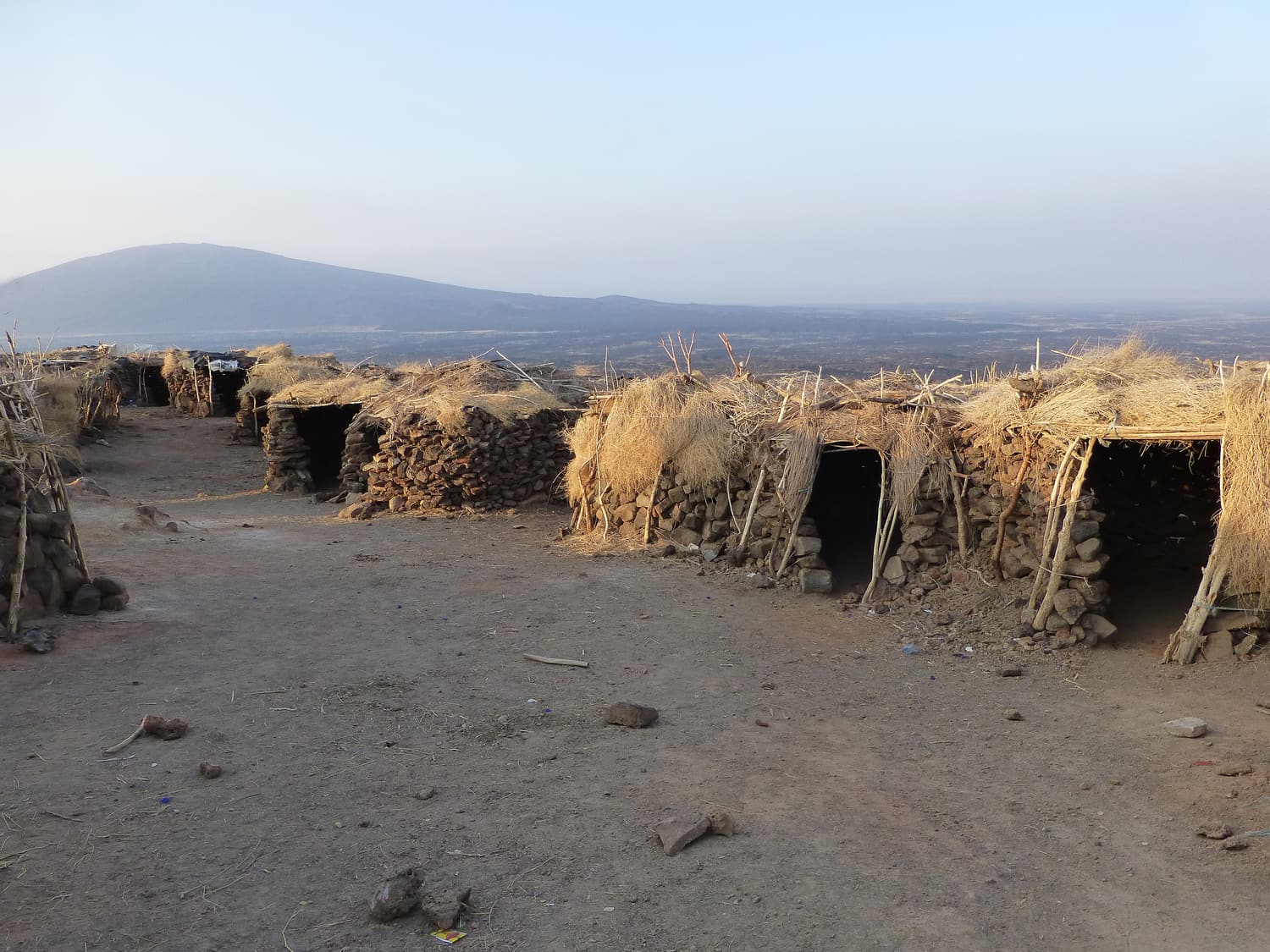
Dodom Base Camp
Dinner, rest and the start of the climb
The cluster of stone-and-thatch shelters at the foot of the volcano where every expedition stops. Vehicles park, the cooks prepare dinner, Afar guides and scouts join the group, and the night trek begins once the heat breaks.
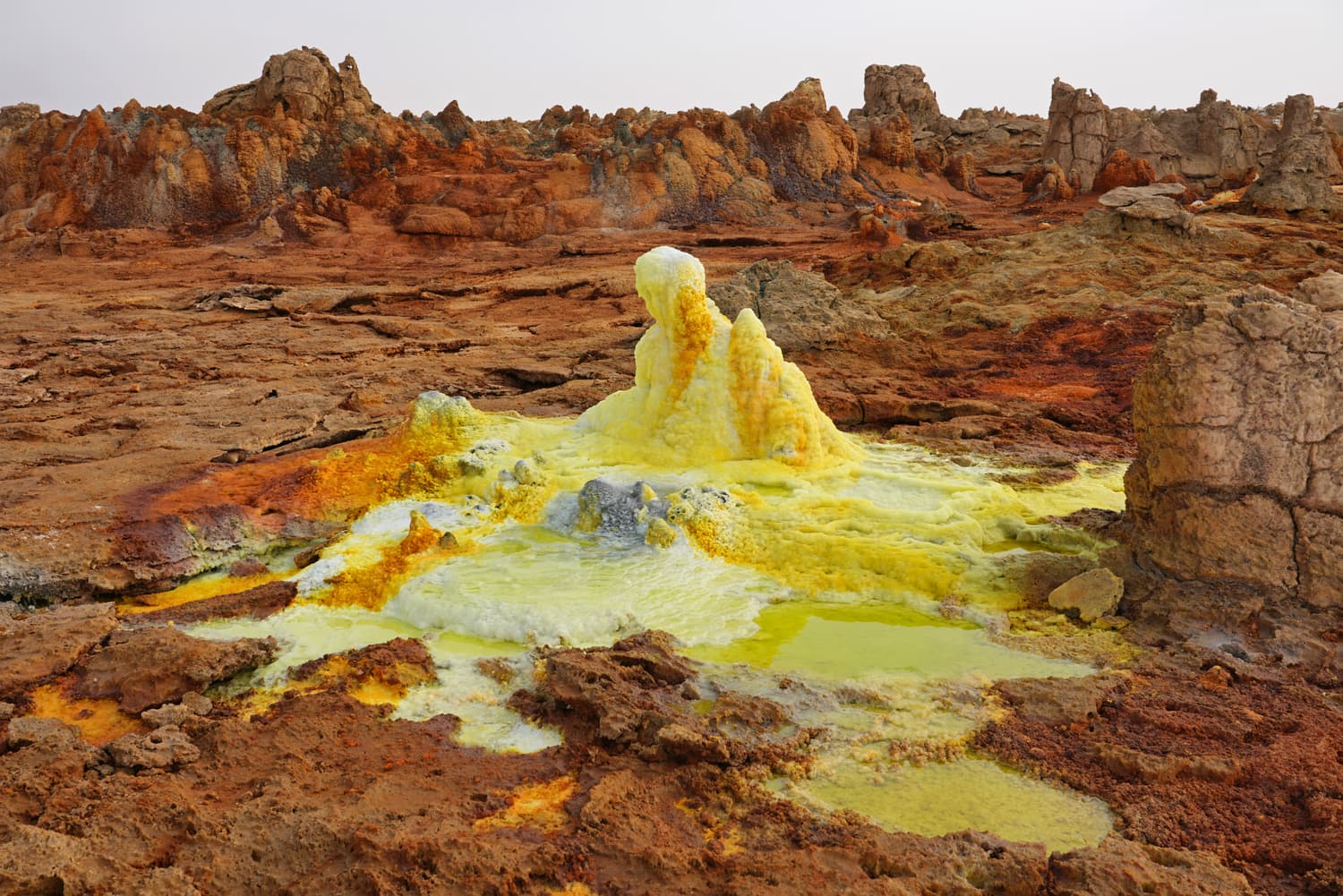 Dallol & the salt plain
A typical 3-day itinerary
- Day 1: early departure from Mekele; descent of the escarpment to Berhale; the salt flats of Lake Asale and the caravans; sunset on the salt; night in Hamed Ela.
- Day 2: Dallol at dawn and the salt canyons; long drive south across the lowlands to the Dodom base camp; dinner, then the night trek to the rim and the crater.
- Day 3: sunrise at the caldera; descent and breakfast at base camp; drive back to Mekele (some routes via Lake Afrera), arriving in the evening.
Tours from Semera usually reverse this, visiting Lake Afrera and Erta Ale first. Compare them on our tours page.
Safety and security
The Afar Region borders Eritrea and Djibouti and is a sensitive area. There have been serious incidents involving tourists near Erta Ale in the past — including an attack in January 2012 and a fatal shooting in December 2017 — and the 2020–2022 conflict in northern Ethiopia halted tourism for a long period. Tours now operate with armed local escorts, and many travellers visit without problems, but the situation can change.
- Read your government’s current travel advice for the Afar Region and Tigray before you book and again before you travel. Some governments advise against all or all-but-essential travel to parts of these regions.
- Check that your travel insurance covers the Danakil — policies may be invalid where your government advises against travel.
- Book only with a licensed operator, and follow the instructions of your guides and escorts at all times.
- Stay with your group on the lava, especially at night, and keep well back from crater edges unless your scout leads you closer.
Heat and health
The Danakil is one of the hottest places on Earth. Even in the cooler season, daytime temperatures reach the mid-30s °C; in summer they regularly exceed 45 °C. Drink constantly, wear a hat, use electrolyte sachets and rest in the shade whenever the group stops. Sulphur dioxide at the crater can irritate eyes and lungs — carry a mask or buff, and avoid the trip if you have serious heart or respiratory conditions.
Talk to a travel clinic well before departure about vaccinations, malaria prevention for the lowlands and whether you need a yellow fever certificate for your route into Ethiopia.
Costs, permits and money
Expedition prices on GetYourGuide start from roughly €300–€460 per person for three days, depending on operator and group size; private departures and longer itineraries cost more. Regional and community fees, escorts and scouts are normally included — confirm in the listing. The Ethiopian currency is the birr; since the exchange-rate reform of 2024 prices in birr have moved a lot, so budget in euros or dollars and check current rates. There are no ATMs in the Danakil: bring cash from Mekele or Addis for drinks, tips and souvenirs.
What to pack
- Sturdy closed hiking shoes with thick soles (lava is sharp).
- A head torch with spare batteries.
- A daypack with space for 2–3 litres of water.
- Light, loose, long-sleeved clothing, a sun hat and sunglasses.
- High-factor sun cream and lip balm.
- A face mask or buff for sulphur fumes.
- A light layer for the night on the rim.
- Wet wipes, hand sanitiser, toilet paper and a small towel.
- Electrolyte sachets and a basic first-aid kit.
- A power bank — there is no electricity on the volcano.
- Swimwear for Lake Afrera, and sandals you do not mind getting salty.
Food, water and sleeping
Tours include a cook, simple meals (often pasta, rice, vegetables, injera and fruit) and bottled or treated water. Sleeping is basic: mattresses in stone shelters or in the open air on the crater rim and at camps like Hamed Ela. There are few or no toilets on the volcano itself.
Respecting the Afar
The Danakil is home to the Afar people, who have lived as pastoralists and salt traders in this environment for centuries. Ask before taking photographs of people, dress modestly in villages, and follow your guide’s advice on tipping and etiquette. Community fees paid through your tour help support local villages.
Photography
The crater glow is best photographed at night and in the blue hour before sunrise. Bring a small tripod or beanbag, set a manual exposure (a few seconds at a moderate ISO works for the glow) and protect your camera from dust and fumes. Drones require permits in Ethiopia and are generally not allowed without prior authorisation.